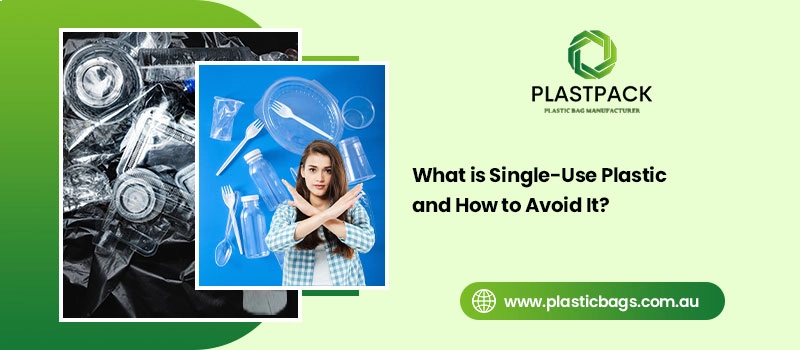
Single-use plastic is one of those topics that gets talked about constantly, yet the details often stay fuzzy. What actually counts as single-use plastic? Why is it such a persistent problem despite years of awareness campaigns? And what practical steps can everyday Australians and businesses take to genuinely cut back on it?
This guide covers all of that, from a clear definition through to realistic, workable alternatives that make a real difference.
What Is Single-Use Plastic?
Single-use plastic refers to any plastic item that is designed, or routinely used, just once before being thrown away. The defining characteristic is not whether something could theoretically be reused, but whether it is engineered and sold with the expectation of a single use followed by disposal.
These items are typically made from fossil fuel-derived polymers, including polyethylene, polypropylene, and polystyrene. They are cheap to produce, lightweight, and convenient, which is exactly why they became so embedded in daily life after plastic production scaled up dramatically in the 1940s and 1950s. That original convenience, however, comes with a high long-term cost.
Common Single-Use Plastics Found in Everyday Life
To understand the scale of the problem, it helps to recognise what common single-use plastics actually look like in practice. Most people encounter dozens of them every day without giving it much thought.
The most frequently used items include:
Plastic shopping bags are used for groceries and retail purchases, with an average lifespan of around 12 minutes before being discarded, yet they can persist in the environment for up to 500 years.
Food packaging such as cling wrap, plastic bread bags, biscuit trays, produce bags, sauce sachets, and the plastic film over fresh meat and dairy products.
Disposable food service items, including plastic straws, cutlery, takeaway containers, coffee cup lids, polystyrene cups and bowls, and drink stirrers.
Plastic bottles for water, juice, soft drinks, cleaning products, and personal care items.
Cotton buds with plastic stems, plastic-backed wet wipes, and single-use plastic razor handles.
Packaging materials such as polystyrene loose fill, bubble wrap, and plastic tape are used in shipping and retail.
Soft plastics, those that can be easily scrunched in your hand, are among the hardest to avoid. Bread bags, chip packets, biscuit wrappers, and produce pouches all fall into this category, and they cannot go into kerbside recycling bins.
Why Single-Use Plastic Is Such a Problem
The issue with single-use plastic is not just the litter you see at the beach or in the park, though that is real and visible. The deeper problem runs across the entire lifecycle of the material.
The production of plastic relies on extracting and refining finite fossil fuel resources, which generate greenhouse gas emissions before the item even reaches a shelf. Once used, around 87 per cent of plastic waste in Australia ends up in landfill, where it slowly releases chemical compounds and microplastics into the surrounding soil and groundwater over decades.
The fraction that escapes waste collection enters waterways, travels to the ocean, and fragments into microplastics, particles so small they are now found in drinking water, seafood, and even in human bloodstreams. Larger plastic items entangle and injure marine animals and birds, while broken fragments are ingested by fish and wildlife that cannot distinguish them from food.
The scale of plastic pollution globally is significant. Without meaningful action at both the government and individual levels, projections suggest that the volume of plastic entering the oceans could nearly triple by 2040.
How Australia Is Responding: Bans and Regulations
Australian governments at both state and federal levels have moved to phase out a growing list of single-use plastic products. The pace and scope of these bans differ by jurisdiction, but the direction is consistent across the country.
Items that have been banned or are being phased out across various states and territories include lightweight plastic shopping bags, single-use plastic straws and cutlery, expanded polystyrene food containers, plastic-stemmed cotton buds, and single-use plastic plates and bowls. Western Australia and South Australia have implemented some of the most comprehensive restrictions to date, with other states following at varying speeds.
The Australian Packaging Covenant Organisation (APCO) set national packaging targets for 2025, aiming for 100 per cent of packaging to be reusable, recyclable, or compostable. While those targets were not fully met by the deadline, they have set the foundation for a more stringent national roadmap targeting 2030 and 2040.
For businesses, staying on top of state-specific regulations is essential, particularly for those operating nationally, since what is permitted in one state may already be banned in another.
Plastic Pollution Solutions: What Individuals Can Do
Reducing your personal contribution to plastic pollution does not require an overnight transformation of how you live. The most effective approach is making consistent small swaps that become habits over time.
Bring your own bags. Reusable shopping bags in Australia are widely available in cotton, canvas, jute, and mesh. Keeping them in your car, handbag, or near your front door so you remember them is the main practical challenge. Jute bags are among the most environmentally sound choices because the crop requires relatively little water and pesticides to grow.
Carry a reusable water bottle and coffee cup. These two items alone eliminate a significant number of single-use plastic and plastic-lined paper items from your weekly routine.
Choose loose produce over pre-packaged where possible. Buying fruit and vegetables loose and using reusable mesh produce bags instead of the thin plastic bags provided in stores removes a meaningful amount of packaging from your shopping.
Say no to single-use cutlery and straws. Most cafes and restaurants will provide alternatives if you ask, and carrying a set of reusable utensils takes very little effort.
Recycle soft plastics correctly. Soft plastics cannot go in your kerbside yellow bin. Many major supermarkets across Australia have collection points for clean, dry soft plastics. Bagging them up and dropping them off on your next shopping trip is a simple habit to build.
Choose products with less packaging. When you have a choice between two similar products, opting for the one with recyclable or minimal packaging sends a clear market signal to manufacturers.
Alternatives to Single-Use Plastic for Businesses
For businesses, the shift away from single-use plastic is both a regulatory necessity and a growing customer expectation. There are practical alternatives to single-use plastic available across virtually every packaging category.
Reusable or returnable containers work well for foodservice, retail, and logistics operations where the flow of goods is consistent, and containers can be tracked.
Paper-based packaging free of plastic coatings or laminates is widely recyclable and well-suited to dry goods, bakery products, and many retail applications.
Certified compostable packaging made from plant-based materials is appropriate for food service applications where packaging will be sent to composting facilities or FOGO systems.
Recycled-content plastic packaging reduces demand for virgin petrochemical production while maintaining functional performance in applications where flexible plastic remains the most practical material.
For packaging that genuinely needs to be plastic for functional reasons, choosing recyclable formats and communicating clearly with customers about disposal is a more honest and useful approach than simply labelling a product as eco-friendly without meaningful change.
Where Responsible Packaging Starts
For both households and businesses, the most effective solutions to plastic pollution begin with awareness, followed by deliberate choices at the point of purchase. Understanding which common single-use plastics exist and where alternatives are available is the foundation for making better decisions consistently.
The good news is that alternatives to single-use plastic across most everyday categories are now widely available, affordable, and genuinely functional. The shift does not have to happen all at once. Starting with the highest-volume items in your routine, shopping bags, water bottles, and takeaway packaging, creates the most meaningful reduction for the least effort.
Frequently Asked Questions
What is single-use plastic exactly?
Single-use plastic refers to any plastic product designed or typically used only once before being discarded. Common examples include plastic shopping bags, straws, cutlery, takeaway containers, and food packaging. These items are made from fossil fuel-derived materials and can persist in the environment for hundreds of years after disposal.
Are all single-use plastics being banned in Australia?
Not all at once, and the specific items banned vary by state and territory. Across Australia, bans have progressively covered lightweight shopping bags, straws, cutlery, polystyrene food containers, and plastic-stemmed cotton buds, among others. Businesses operating nationally need to check the regulations specific to each state in which they operate, as timelines and product lists differ.
What are the best alternatives to single-use plastic for everyday shopping?
Reusable shopping bags in Australia are the most practical starting point. Cotton, canvas, jute, and mesh bag options are all widely available and durable. For produce, reusable mesh bags replace the thin plastic bags found in the fruit and vegetable section. Carrying a reusable water bottle and a coffee cup covers two of the most frequently encountered single-use plastic items.
Can single-use plastic packaging be recycled in Australia?
It depends on the type. Hard plastics such as bottles and rigid containers can generally go in your kerbside yellow recycling bin. Soft plastics, including bread bags, chip packets, cling wrap, and produce pouches, cannot go in kerbside bins and must be taken to dedicated soft plastic collection points. Check your local council’s recycling guide for specifics, as acceptance varies by area.
How can businesses reduce their reliance on single-use plastic packaging?
The most practical steps include switching to paper-based or certified compostable packaging where functional requirements allow, sourcing packaging with recycled content, reducing packaging overall where possible, and staying current with state-based single-use plastic regulations. Working with a packaging supplier who understands Australian compliance requirements makes the transition more straightforward and reduces the risk of using products that are already restricted.