Where Gusseted Bags Are Used
Food manufacturing and processing
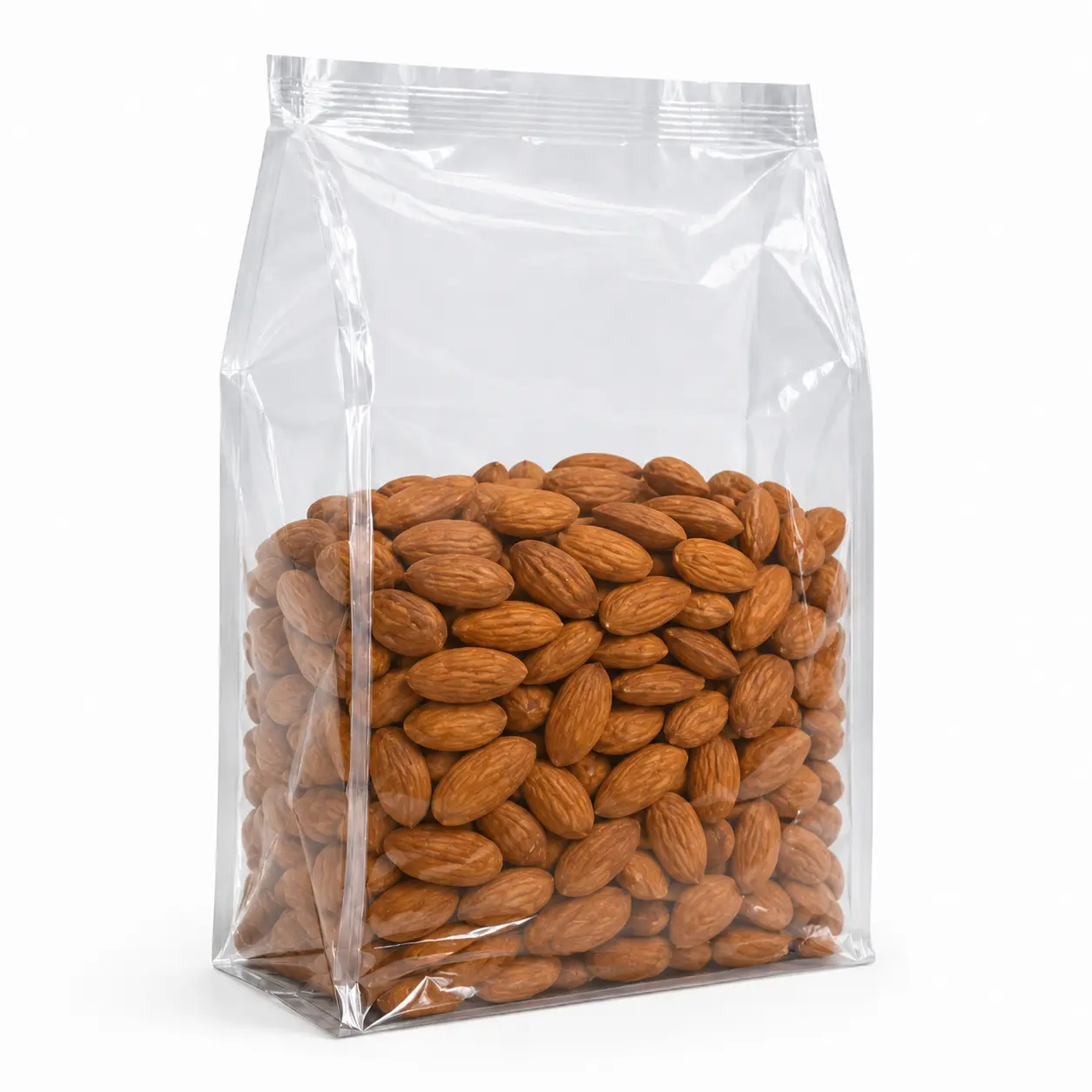
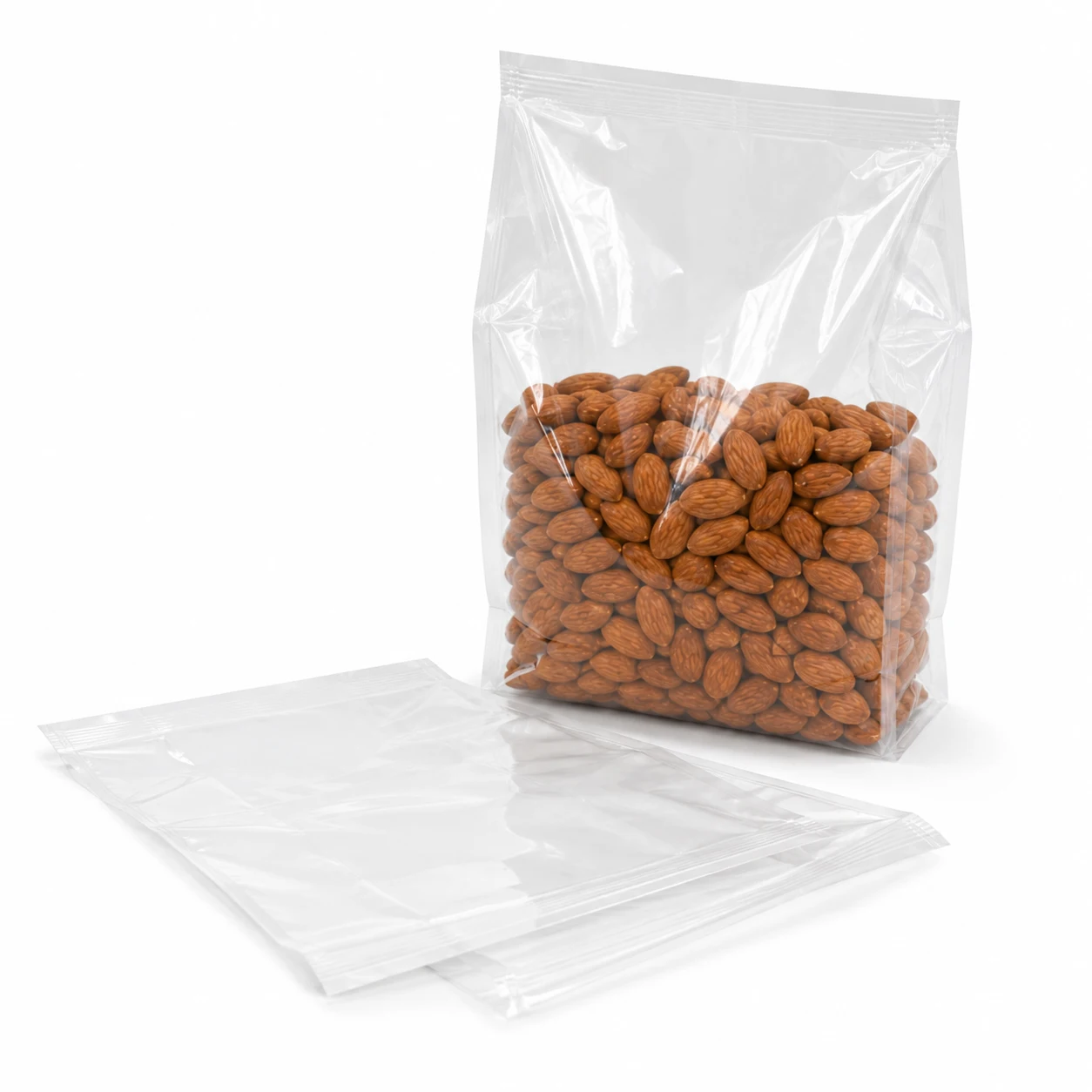
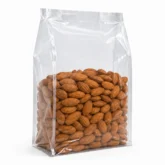
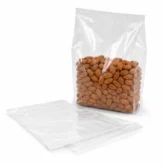
Bakery lines, confectionery, dry goods, ground coffee and packed produce all benefit from a bag that carries depth without deforming. Specify food contact use when you enquire so the correct film is supplied.
Retail and wholesale supply
Boxed goods, giftware, homewares and multipacks pack cleanly in a gusseted bag and present square on shelf. High clarity polypropylene keeps labelling and product detail readable through the film.
Manufacturing and component supply
Assemblies, fittings, moulded parts and kitted components that will not lie flat are contained without stressing the seals.
Nurseries and horticulture
Potted stock, growing media and packed bulbs need a bag that holds volume and tolerates handling through dispatch.
Specifying the Right Gusseted Bag
Four measurements define the bag, and getting them right at the quoting stage saves a lot of rework later.
Width. Measured flat, across the face of the bag. This should match the widest face of your product.
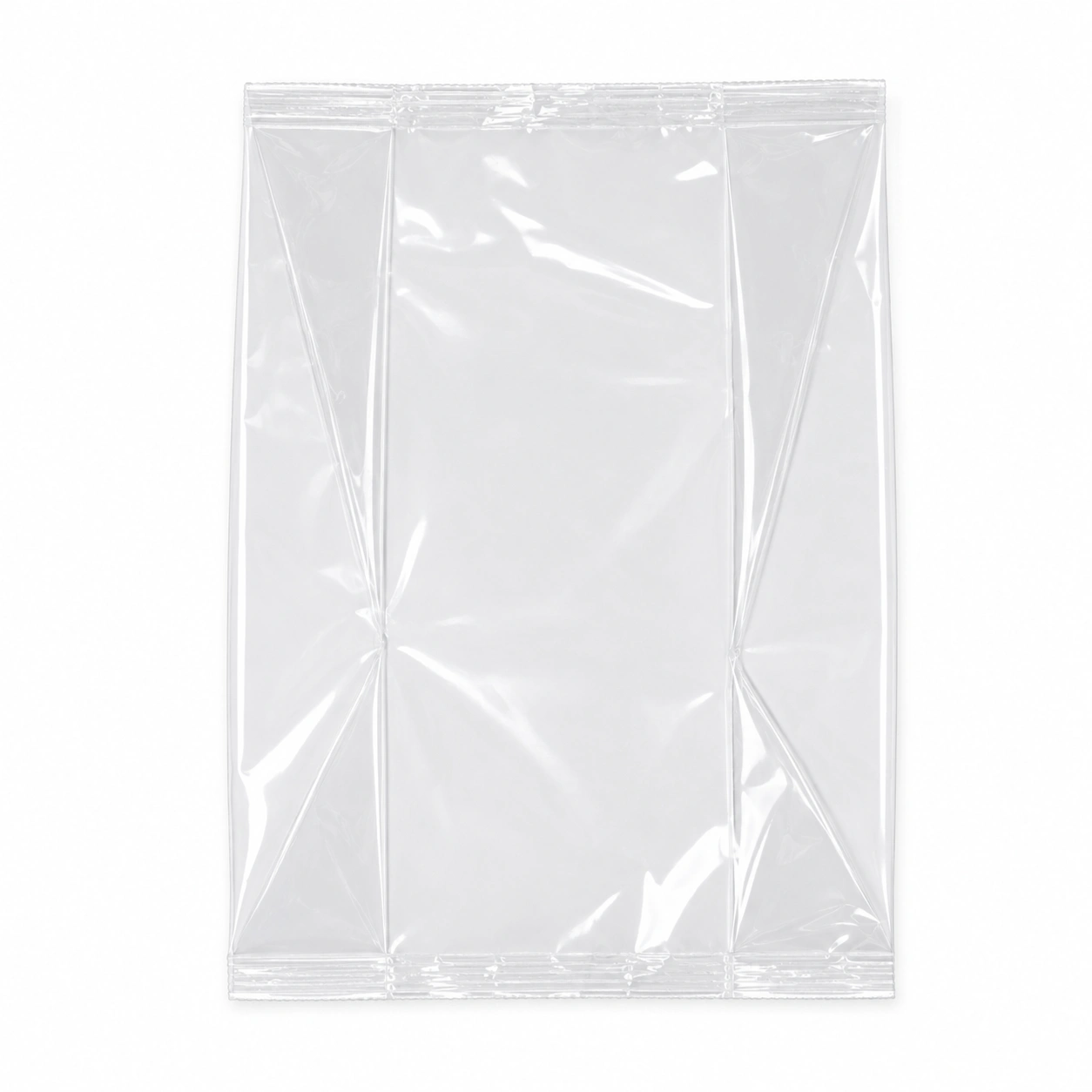
Gusset depth. The total expansion across both sides. As a working rule, the gusset should be close to the depth of the product so the bag squares up fully when filled rather than bulging.
Length. Allow enough film above the product for your closure method, whether that is heat sealing, a tie, a clip or a fold and label.
Gauge. Thickness is quoted in microns. Lighter gauges suit light, smooth contents in short handling cycles. Heavier gauges are called for where the product has weight, edges or a long freight leg ahead of it. Our team can recommend a gauge from your product weight and edge profile, or you can work through our guide on
what thickness you need.
Manufactured, Not Resold
Plastpack extrudes its own film, prints it and forms the finished bag under one roof. We hold substantial film stock, which is why lead times on standard specifications stay short and repeat orders dispatch quickly across Australia. If a stock size does not fit your product, we make to measure on size, gusset depth, gauge and seal, with up to six colour printing available on the same run. Minimum order quantity on a custom size is 10,000 units, and samples can be supplied for evaluation before you commit to a production run.
Frequently Asked Questions
What is a gusseted bag used for?
Gusseted bags are used where product has depth or an irregular shape that a flat bag cannot hold without stressing the seals. Common commercial uses include bakery and dry goods packing, boxed retail product, kitted components and nursery stock.
How do I measure a gusset?
Gusset depth is the total side expansion across both pleats. Match it as closely as possible to the depth of your product so the filled bag squares up rather than bulging at the base.
Are polypropylene gusset bags suitable for food?
We manufacture food grade film for food contact applications, made to the relevant Australian food safety requirements. Tell us the bag is for food when you enquire so the correct specification is supplied. See our
food grade bags for more.
What is the difference between a polypropylene and a polyethylene gusseted bag?
Polypropylene is stiffer with higher clarity, which suits display and shelf presentation. Polyethylene is softer and more forgiving under impact, which suits heavier industrial containment. Our PE vs PP buyer's guide sets out the comparison in detail.
Can I order gusseted bags in a custom size?
Yes. As the manufacturer we produce to your width, gusset depth, length, gauge and seal type. The minimum quantity for a custom size is 10,000 units, with printing available on the same run.
Can gusseted bags be printed?
Yes. We print in house on our own film in up to six colours, so branding, product detail and compliance marking can all be carried on the bag.

Reviews
There are no reviews yet.