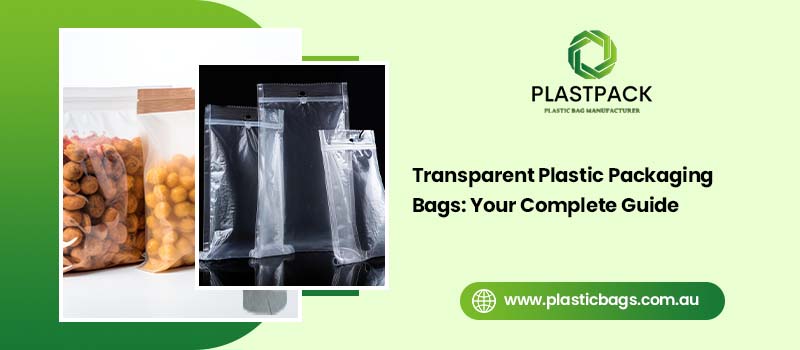
This guide walks you through everything worth knowing, from the different material types to choosing the right bag for your specific application, and what to look for when buying in bulk.
What Are Transparent Plastic Packaging Bags?
At their core, transparent plastic packaging bags are made from clear or near-clear plastic film that lets customers see the contents without touching or opening the package. They are a staple across food retail, fashion, hardware, medical supply, and industrial sectors.
The visibility factor is not just a convenience; it builds consumer trust. When a shopper can see exactly what they are purchasing, there is less hesitation at the point of sale. That transparency also reduces returns and complaints, because buyers know precisely what they are getting.
Beyond aesthetics, these bags function as a reliable physical barrier against dust, moisture, handling damage, and contamination. From a single-serve food portion to a bundle of electrical components, the right bag preserves product integrity from warehouse shelf to front door.
Key Types of Transparent Plastic Bags
Understanding the material differences between bag types will save you time, money, and headaches down the track.
1. Polyethylene Packaging Bags (PE)
Polyethylene packaging bags are among the most widely used plastic bags in Australia. They come in several densities:
LDPE (Low-Density Polyethylene): Soft, flexible, and stretchy. Ideal for produce bags, garment covers, and light-duty wrapping. LDPE bags handle moisture well and are a popular choice for food applications.
HDPE (High-Density Polyethylene): Stiffer and stronger than LDPE, with a slightly milky or semi-clear finish. Commonly used for carry bags, checkout bags, and produce packaging where puncture resistance matters.
LLDPE (Linear Low-Density Polyethylene): Sits between LDPE and HDPE in terms of strength and flexibility. Often chosen for applications requiring consistent film thickness under stress, such as pallet liners and courier mailers.
Polyethylene packaging bags are cost-effective, widely recyclable through soft plastics collection schemes, and available across a broad range of sizes and thicknesses. For businesses ordering in quantity, they represent one of the most economical packaging solutions on the market.
2. Polypropylene Plastic Bags (PP / BOPP)
Polypropylene plastic bags are noticeably clearer than polyethylene alternatives, with a crisp, glass-like appearance. This optical clarity makes them the preferred choice whenever product presentation is the priority.
BOPP (Biaxially Oriented Polypropylene) takes this a step further. The orientation process stretches the film in two directions, resulting in a bag that is stiffer, shinier, and more resistant to moisture and grease. BOPP bags are widely used to package:
- Confectionery, biscuits, and snack foods
- Apparel and folded garments
- Stationery and gift items
- Coffee, tea, and dried goods
Standard polypropylene self-seal bags are also a go-to across retail and wholesale environments. They resist moisture well, guard against scuffing during transit, and present products in the clearest possible light. Businesses looking to buy transparent plastic bags for retail display will often find polypropylene delivers the visual finish they are after.
3. Press Seal (Resealable) Bags
Press seal bags, sometimes called zip lock or click seal bags, combine the clarity of polyethylene film with a built-in resealable strip. Once opened, the contents can be resealed quickly, keeping them fresh and protected between uses.
They are available in standard (50 micron), heavy duty (75 micron), and write-on panel variants for easy labelling. Common applications include:
- Hardware, screws, and small components
- Seeds, dried herbs, and bulk foods
- Medical supplies and samples
- Retail pre-packs and sample kits
The reusability factor adds perceived value in the eyes of customers and reduces the chance of spills during display or transit.
4. Plain Poly Bags (Lay Flat Bags)
Plain poly bags are simple, open-top polyethylene bags without any closures. They are often heat-sealed after filling and used across food processing, textile packaging, and light industrial applications. Their versatility and affordability make them a staple in wholesale plastic packaging bags orders.
Available in small, medium, and large width options, plain poly bags are used by bakeries, produce wholesalers, garment manufacturers, and general warehousing operations alike.
Why Australian Businesses Rely on Transparent Packaging
There is a practical reason transparent packaging has remained a preferred choice across so many industries for decades.
Product visibility drives purchasing decisions. Consumers prefer to see what they are buying before committing. A clear bag removes ambiguity and shortens the decision-making process at the shelf, which directly supports sales performance.
Protection without added bulk. Plastic film bags are lightweight and form-fitting, which means they protect products without adding unnecessary weight to shipments. For businesses managing freight costs, that matters considerably.
Hygiene and contamination control. In food production and medical environments, sealed transparent bags provide a tamper-evident barrier that maintains hygiene standards without obscuring the product inside.
Versatility across industries. From produce rolls in a greengrocer to BOPP-wrapped chocolate boxes, transparent bags serve a staggering variety of sectors. One material type, sized and specified correctly, can solve packaging challenges across very different product categories.
How to Choose the Right Transparent Plastic Bag
With several materials and formats available, choosing the right bag comes down to a few key questions.
What product are you packaging? Food items have specific requirements around food-grade material standards. Sharp or heavy products need thicker gauge films. Items requiring a premium retail presentation will benefit from BOPP rather than standard LDPE.
What closure type do you need? If the bag is opened only once, a heat-sealed poly bag or a self-seal strip is usually enough. If customers or end-users need to access the contents repeatedly, a press seal bag is a far better choice.
What thickness (micron) do you need? Thicker bags cost more per unit but provide greater puncture resistance and a more substantial feel. Light retail items can be packaged in thin film without issue. Industrial or bulk applications typically call for heavier gauges.
Are you buying wholesale? If your operation uses packaging in significant volume, buying wholesale plastic packaging bags is the most cost-effective path. Bulk purchases reduce the per-unit cost considerably and ensure consistent supply without frequent reordering.
Buying Transparent Plastic Bags in Australia
When sourcing plastic bags locally, a few factors are worth keeping in mind beyond price alone.
Compliance with Australian standards is particularly important for food-contact applications. Food-grade polyethylene and polypropylene bags should meet the relevant Australian requirements for materials in contact with consumables.
Stock availability and lead times affect your operation directly. A reliable Australian supplier with strong on-hand stock means you avoid production delays when demand spikes unexpectedly.
Custom sizing and printing options allow businesses to order bags that fit their specific product dimensions, rather than compromising with standard sizes that waste film or leave products loose inside.
If you are ready to buy transparent plastic bags in bulk, working with a specialist supplier means access to technical advice, competitive wholesale pricing, and a wider range of specifications than general packaging distributors typically carry.
A Note on Packaging Regulations in Australia
Australia’s packaging landscape has seen significant regulatory movement in recent years. State-by-state rules around single-use plastics continue to evolve, particularly for checkout bags and produce packaging. While transparent poly bags used in wholesale, industrial, and food manufacturing contexts are generally not subject to retail-focused bans, staying informed about the regulations relevant to your specific use case is important.
The Australian Packaging Covenant Organisation (APCO) provides guidance for businesses looking to align their packaging choices with national sustainability targets. Wherever possible, choosing recyclable materials and working with suppliers that practice responsible sourcing is a sound approach for long-term compliance and brand reputation. The same visibility principle applies to waste streams, where clear garbage bags keep recycling contents inspectable at collection.
Frequently Asked Questions
What is the difference between polyethylene and polypropylene plastic bags?
Polyethylene bags are softer and more flexible, making them well suited to produce, food, and general packaging needs. Polypropylene bags are stiffer and optically clearer, which makes them the preferred choice for retail display and presentation packaging where high clarity is the priority.
Can I buy transparent plastic bags in wholesale quantities as a small business?
Yes. Many Australian suppliers offer wholesale plastic packaging bags without unreasonably high minimum orders. Buying in bulk typically reduces your per-unit cost significantly, making it worthwhile even for businesses with moderate packaging requirements.
Are transparent plastic bags food safe?
Food-grade transparent bags made from LDPE or polypropylene are suitable for direct food contact, provided they meet Australian food safety standards. Always confirm the material specification with your supplier before using any bag in a food application.
What thickness should I choose for my plastic bags?
For light retail items, 25 to 40 microns is generally adequate. Press seal bags typically start at 50 microns for standard use, with 75 micron options available for heavier contents. If you are packaging sharp, heavy, or industrial goods, a thicker gauge will reduce the risk of tears and punctures during handling.
How do I store transparent plastic bags to maintain quality?
Store plastic bags in a cool, dry environment away from direct sunlight. UV exposure and heat can degrade the film over time, affecting both clarity and structural integrity. Keeping bags in their original cartons until use will preserve their quality considerably longer.
Looking for transparent plastic bags in Australia? Plastpack supplies a full range of poly bags, polypropylene bags, press seal bags, and more for businesses of all sizes. Explore our product range or get in touch with our team for wholesale pricing.